
Hi…..hustlers all over the world please read my humble submission
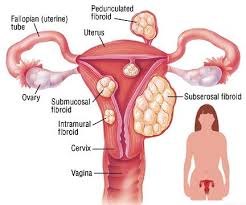
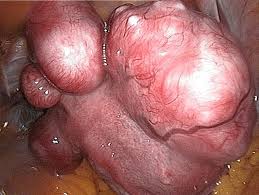
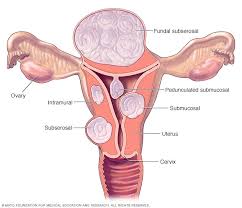








Fibroids: Causes, Symptoms, Treatment
Fibroid, causes of fibroids, symptoms, the effect in human history, what triggers it,food, herbs and medicine that can cause and or cure it,prevention and treatment.
Fibroids, also known as uterine leiomyomas, are noncancerous growths that develop in the uterus. They are the most common type of benign tumor in women of reproductive age. Here’s some information about fibroids, including their causes, symptoms, effects in human history, triggers, and available treatments:
Causes of Fibroids: The exact cause of fibroids is unknown, but several factors may contribute to their development, including:
- Hormonal factors: Estrogen and progesterone, hormones that regulate the menstrual cycle, may promote the growth of fibroids.
- Genetic factors: Certain genetic alterations may make some women more prone to developing fibroids.
- Other factors: Obesity, a family history of fibroids, and race (African-American women are at higher risk) may also increase the likelihood of developing fibroids.
Symptoms of Fibroids: Some women with fibroids may experience the following symptoms:
- Heavy or prolonged menstrual periods
- Pelvic pain or pressure
- Frequent urination
- Difficulty emptying the bladder
- Constipation
- Backache or leg pain
- Pain during sexual intercourse However, some women with fibroids may not experience any symptoms at all.
Effect in Human History: Fibroids have not had a significant direct effect on human history. They are a common health issue affecting women, but they do not have a notable historical impact.
Triggers: Fibroids are believed to be influenced by hormonal imbalances, particularly estrogen and progesterone. Although the exact triggers are not well understood, factors like hormonal fluctuations, genetic predisposition, and lifestyle choices may contribute to their development.
Food, Herbs, and Medicines: There is limited scientific evidence regarding specific foods, herbs, or medicines that directly cause or cure fibroids. However, maintaining a healthy lifestyle can potentially help manage symptoms and promote overall well-being. This includes:
- Eating a balanced diet rich in fruits, vegetables, whole grains, and lean proteins.
- Exercising regularly and maintaining a healthy weight.
- Managing stress levels through relaxation techniques or activities like yoga or meditation.
Prevention and Treatment: Prevention of fibroids is challenging since the exact cause is unknown. However, you can take certain steps to potentially reduce the risk or manage symptoms:
- Regularly visit your healthcare provider for check-ups and discuss any concerns.
- Maintain a healthy weight and exercise regularly.
- Consider hormonal contraceptives, as they may help regulate menstrual cycles and reduce the risk of fibroids.
- If you experience symptoms, consult your doctor for appropriate treatment options, which may include medication, hormonal therapies, or surgical procedures such as myomectomy (removal of fibroids) or hysterectomy (removal of the uterus).
It’s important to consult with a healthcare professional for accurate diagnosis, personalized advice, and appropriate treatment options for fibroids.
Fibroid Exam & Analysis
Medical examinations, x-ray and analysis for a fibroid patient
If you are a fibroid patient undergoing medical examinations, X-rays, and analysis, the typical process may involve the following steps:
- Medical history and physical examination: Your doctor will review your medical history, including any symptoms you’re experiencing, and conduct a physical examination to assess the size and location of the fibroids.
- Ultrasound: An ultrasound scan is commonly used to diagnose fibroids. It uses high-frequency sound waves to create images of the uterus and detect the presence, size, and location of fibroids. This non-invasive procedure helps in determining the number and characteristics of the fibroids.
- MRI (Magnetic Resonance Imaging): In some cases, an MRI scan may be recommended to obtain more detailed information about the fibroids. MRI provides clearer images of the uterus and fibroids, helping doctors to assess their size, location, and blood supply.
- X-ray: X-rays are not typically used for diagnosing fibroids since they do not provide detailed images of soft tissues. However, if other complications, such as bone-related issues or bowel obstruction, are suspected, X-rays may be ordered to assess those areas.
- Blood tests: Blood tests may be performed to evaluate your overall health, check hormone levels, and rule out other conditions that may cause similar symptoms.
- Endometrial biopsy: In some cases, if abnormal bleeding is present or if there are concerns about cancerous changes, your doctor may recommend an endometrial biopsy. This procedure involves taking a small sample of the uterine lining (endometrium) to examine it under a microscope.
- Hysteroscopy: If the fibroids are suspected to be located within the uterine cavity, a hysteroscopy may be performed. This procedure involves inserting a thin, lighted tube (hysteroscope) through the vagina and cervix to visualize the inside of the uterus. It can help in assessing the size, location, and characteristics of the fibroids.
Based on the results of these examinations and analyses, your doctor will develop a treatment plan tailored to your specific needs. Treatment options for fibroids may include medication, non-invasive procedures like uterine artery embolization, or surgical interventions like myomectomy (removal of fibroids) or hysterectomy (removal of the uterus). The choice of treatment depends on factors such as the size, location, and symptoms associated with the fibroids, as well as your personal preferences and future fertility goals.
Do you ever find yourself feeling like something needs to change in your life, but you’re not quite sure where to start or how to make it happen? That’s exactly where I found myself not too long ago.
I knew that I wasn’t happy with the way things were, and I knew that something needed to change. But I was stuck, unsure of what steps to take or which direction to go in. It felt overwhelming, like I was staring down an insurmountable mountain with no clear path to the top.
But here’s the thing – change is possible. No matter how stuck or lost you may feel, there are always steps you can take to move forward and create the life that you want. It may not be easy, and it may require some hard work and sacrifice, but it is possible.CLICK HERE TO GET STARTED 👉👉👉PLEASE CLICK HERE TO GET STARTED

 Hustlers freedom