
Understanding Glaucoma Basics
Title: Understanding Glaucoma: A Silent Threat to Vision
Introduction: Glaucoma, often referred to as the “silent thief of sight,” is a progressive eye disease that affects millions of people worldwide. In this blog post, we will delve into the definition of glaucoma, its historical background, genetic consequences, the role of sex in transmission, causes, signs, effects, medical examinations, available treatments, and preventive measures. Understanding this condition is crucial as early detection and timely intervention can help preserve eyesight and prevent irreversible vision loss.
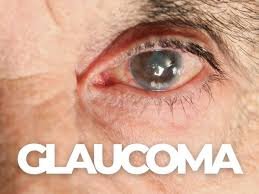
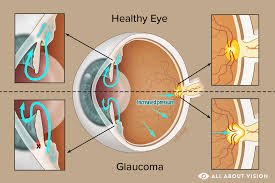
What is Glaucoma? Glaucoma is a group of eye disorders characterized by damage to the optic nerve, which connects the eye to the brain. It is commonly associated with elevated intraocular pressure (IOP) due to impaired fluid drainage within the eye. This increase in pressure can lead to progressive damage to the optic nerve and subsequent vision loss.
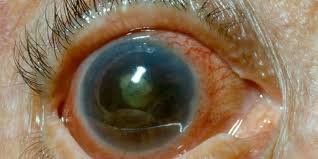
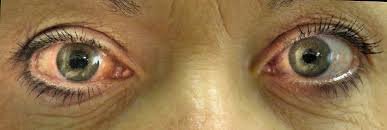
Historical Background: The earliest references to glaucoma date back to ancient Greece. The Greek physician Galen coined the term “glaucoma” (meaning “blue-green hue”) to describe the bluish appearance of the eyes in advanced stages of the disease. However, it wasn’t until the 19th century that significant advancements were made in understanding the condition and its management.
Genetic Consequences and the Role of Sex in Transmission: While glaucoma can be caused by various factors, including genetics and environmental influences, certain forms of the disease have a hereditary component. Studies have identified several genes associated with glaucoma, such as MYOC, OPTN, and CYP1B1. The inheritance pattern of glaucoma can be complex, with both genetic and environmental factors playing a role.
Regarding the role of sex in the mode of transmission, there is no specific evidence suggesting a direct link between the sex of an individual and the transmission of glaucoma. However, certain types of glaucoma, such as primary open-angle glaucoma, have been found to have a slightly higher prevalence in women, while primary angle-closure glaucoma tends to be more common in women as well.
Causes of Glaucoma: Glaucoma can occur due to various factors, but the exact causes are not always clear. The primary risk factor is increased intraocular pressure, which can result from inadequate drainage of the aqueous humor (the fluid that nourishes the eye). Other risk factors include age, family history of glaucoma, certain medical conditions (such as diabetes and hypertension), and certain medications (such as corticosteroids).
Signs, Effects, and Medical Examinations: Glaucoma often develops gradually, and its symptoms may not be immediately noticeable. Common signs include blurred vision, loss of peripheral vision, halo-like appearance around lights, eye pain, and frequent changes in eyeglass prescriptions. If left untreated, glaucoma can lead to permanent vision loss and blindness.
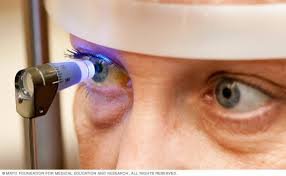
To diagnose glaucoma, comprehensive eye examinations are crucial. These include measuring intraocular pressure, assessing the optic nerve, evaluating the visual field, and examining the drainage angle. Additional tests, such as optical coherence tomography (OCT) and gonioscopy, may also be performed to aid in the diagnosis.
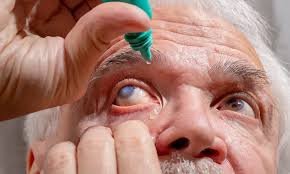
Medical Treatments and Prevention: While there is no cure for glaucoma, early detection and appropriate management can help slow down its progression and preserve vision. Treatment options include eye drops to lower intraocular pressure, oral medications, laser therapy (such as trabeculoplasty or iridotomy), and surgical interventions (such as trabeculectomy or drainage implants).
Prevention is essential in reducing the risk of glaucoma. Regular eye examinations, especially for individuals over the age of 40 or with a family history of glaucoma, are crucial. Maintaining a healthy lifestyle, managing underlying medical conditions, avoiding excessive eye strain, and protecting the eyes from injury are also important preventive measures.
Conclusion: Glaucoma poses a significant threat to vision, but with increased awareness, early detection, and proper management, the impact of this condition can be minimized. Regular eye check-ups, understanding the risk factors, and adopting a healthy lifestyle are vital steps in preventing glaucoma. Remember, protecting your eyesight is essential, as vision loss due to glaucoma is irreversible.
To escape from poverty, click here PLEASE CLICK HERE TO GET STARTED

 Hustlers freedom