25 MOST DEADLIEST DISEASE IN THE WORLD TODAY, ,SYMPTOMS MODE OF TRANSMISSION AND PREVENTION

Hi…..hustlers all over the world please read my humble submission

Here is a list of 25 deadly diseases, along with their symptoms, mode of transmission, preventive measures, and possible cures. Please note that this information is based on the knowledge available to me through research , and it’s always important to consult with healthcare professionals for the most up-to-date and accurate information.

  1. COVID-19:
    • Symptoms: Fever, cough, difficulty breathing, fatigue, loss of taste or smell.
    • Mode of transmission: Respiratory droplets, close contact.
    • Preventive measures: Vaccination, wearing masks, frequent handwashing, social distancing.
    • Possible cure: Vaccination, antiviral treatments, supportive care.
  2. Cardiovascular diseases:
    • Symptoms: Chest pain, shortness of breath, heart palpitations, fatigue.
    • Mode of transmission: Not contagious; risk factors include smoking, poor diet, sedentary lifestyle.
    • Preventive measures: Healthy lifestyle choices, regular exercise, balanced diet, avoiding tobacco.
    • Possible cure: Management through medication, lifestyle changes, and surgery in severe cases.
  3. Cancer:
    • Symptoms: Varied depending on the type of cancer; can include unexplained weight loss, fatigue, pain, changes in skin.
    • Mode of transmission: Not contagious; genetic and environmental factors play a role.
    • Preventive measures: Regular screenings, healthy lifestyle choices, avoiding tobacco, limiting sun exposure.
    • Possible cure: Surgery, chemotherapy, radiation therapy, immunotherapy, targeted therapy.
  4. Stroke:
    • Symptoms: Sudden weakness or numbness, difficulty speaking, severe headache, trouble walking.
    • Mode of transmission: Not contagious; risk factors include high blood pressure, smoking, diabetes.
    • Preventive measures: Managing blood pressure, regular exercise, healthy diet, avoiding tobacco.
    • Possible cure: Immediate medical intervention, rehabilitation, lifestyle changes.
  5. Respiratory infections (e.g., pneumonia, influenza):
    • Symptoms: Cough, fever, chest pain, difficulty breathing.
    • Mode of transmission: Respiratory droplets, close contact.
    • Preventive measures: Vaccination, frequent handwashing, covering mouth and nose when coughing/sneezing.
    • Possible cure: Antiviral medications, antibiotics for bacterial pneumonia, supportive care.
  6. Diabetes:
    • Symptoms: Frequent urination, increased thirst, fatigue, unexplained weight loss.
    • Mode of transmission: Not contagious; risk factors include obesity, family history, sedentary lifestyle.
    • Preventive measures: Healthy diet, regular exercise, weight management, blood sugar monitoring.
    • Possible cure: Management through medication, insulin therapy, lifestyle changes.
  7. HIV/AIDS:
    • Symptoms: Fatigue, recurrent infections, weight loss, night sweats.
    • Mode of transmission: Sexual contact, blood transfusion, sharing needles.
    • Preventive measures: Safe sex practices, using sterile needles, pre-exposure prophylaxis (PrEP).
    • Possible cure: Antiretroviral therapy (ART) to control the virus, no known cure.
  8. Tuberculosis (TB):
    • Symptoms: Persistent cough, weight loss, fever, night sweats.
    • Mode of transmission: Airborne droplets, close contact.
    • Preventive measures: Vaccination, infection control measures, completing TB treatment.
    • Possible cure: Antibiotic treatment for active TB, preventive therapy for latent TB.
  9. Malaria:
    • Symptoms: Fever, chills, headache, fatigue, muscle aches.
    • Mode of transmission: Mosquito bites.
    • Preventive measures: Insecticide-treated bed nets, indoor residual spraying, antimalarial medications.
    • Possible cure: Antimalarial medications, early diagnosis and treatment.
  10. Alzheimer’s disease:
    • Symptoms: Memory loss, confusion, disorientation, mood and personality changes.
    • Mode of transmission: Not contagious; exact cause unknown.
    • Preventive measures: Mental stimulation, regular exercise, healthy diet, managing chronic conditions.
    • Possible cure: No known cure, but medications can manage symptoms and slow disease progression.
  11. Chronic obstructive pulmonary disease (COPD):
    • Symptoms: Shortness of breath, chronic cough, wheezing, chest tightness.
    • Mode of transmission: Not contagious; primarily caused by smoking or exposure to pollutants.
    • Preventive measures: Avoiding tobacco smoke, reducing exposure to pollutants, regular exercise.
    • Possible cure: Medications to manage symptoms, oxygen therapy, pulmonary rehabilitation.
  12. Liver cirrhosis:
    • Symptoms: Fatigue, jaundice, abdominal pain, weight loss, fluid retention.
    • Mode of transmission: Not contagious; often caused by long-term alcohol abuse or viral hepatitis.
    • Preventive measures: Limiting alcohol consumption, practicing safe sex, vaccination against hepatitis.
    • Possible cure: Treatment of underlying causes, lifestyle changes, liver transplantation in severe cases.
  13. Kidney disease:
    • Symptoms: Fatigue, swelling in the legs, changes in urine output, high blood pressure.
    • Mode of transmission: Not contagious; can be caused by diabetes, high blood pressure, or other factors.
    • Preventive measures: Managing blood pressure and diabetes, regular exercise, balanced diet.
    • Possible cure: Dialysis, kidney transplant, managing underlying causes.
  14. Inflammatory bowel disease (IBD):
    • Symptoms: Abdominal pain, diarrhea, rectal bleeding, weight loss.
    • Mode of transmission: Not contagious; exact cause unknown.
    • Preventive measures: No known prevention; managing triggers, stress reduction, medication.
    • Possible cure: Medications to manage symptoms, lifestyle changes, surgery in severe cases.
  15. Parkinson’s disease:
    • Symptoms: Tremors, stiffness, impaired balance and coordination, slowness of movement.
    • Mode of transmission: Not contagious; exact cause unknown.
    • Preventive measures: No known prevention; regular exercise, healthy diet, avoiding environmental toxins.
    • Possible cure: Medications to manage symptoms, deep brain stimulation, physical therapy.
  16. Ebola virus disease:
    • Symptoms: Fever, severe headache, muscle pain, bleeding, fatigue.
    • Mode of transmission: Direct contact with infected bodily fluids.
    • Preventive measures: Strict infection control practices, isolation of infected individuals.
    • Possible cure: Supportive care, experimental treatments, vaccination.
  17. Dengue fever:
    • Symptoms: High fever, severe headache, joint and muscle pain, rash.
    • Mode of transmission: Mosquito bites.
    • Preventive measures: Eliminating mosquito breeding sites, using insect repellents, wearing protective clothing.
    • Possible cure: Supportive care, managing symptoms, prevention of complications.
  18. Cholera:
    • Symptoms: Diarrhea, vomiting, dehydration, muscle cramps.
    • Mode of transmission: Contaminated food or water, poor sanitation.
    • Preventive measures: Access to clean water, improved sanitation, proper food handling.
    • Possible cure: Oral rehydration therapy, antibiotics for severe cases.
  19. Rabies:
    • Symptoms: Fever, headache, anxiety, difficulty swallowing, hydrophobia (fear of water).
    • Mode of transmission: Animal bites, usually from infected dogs or bats.
    • Preventive measures: Vaccinating pets, avoiding contact with stray animals, post-exposure prophylaxis.
    • Possible cure: Immediate wound cleaning, post-exposure prophylaxis (vaccination), no cure once symptoms develop.
  20. Yellow fever:
    • Symptoms: Fever, headache, muscle pain, jaundice, bleeding.
    • Mode of transmission: Mosquito bites.
    • Preventive measures: Vaccination, mosquito control measures.
    • Possible cure: Supportive care, managing symptoms, vaccination for prevention.
  21. Zika virus infection:
    • Symptoms: Fever, rash, joint pain, conjunctivitis.
    • Mode of transmission: Mosquito bites, sexual transmission, mother-to-child during pregnancy.
    • Preventive measures: Mosquito control measures, safe sex practices, avoiding travel to affected areas during pregnancy.
    • Possible cure: Supportive care, managing symptoms, no specific treatment.
  22. Leukemia:
    • Symptoms: Fatigue, frequent infections, unexplained weight loss, easy bruising or bleeding.
    • Mode of transmission: Not contagious; genetic and environmental factors play a role.
    • Preventive measures: No known prevention; avoiding exposure to radiation or certain chemicals.
    • Possible cure: Chemotherapy, radiation therapy, stem cell transplantation.
  23. Melanoma:
    • Symptoms: Changes in the appearance of moles or new pigmented growths on the skin.
    • Mode of transmission: Not contagious; excessive UV exposure and genetic factors increase risk.
    • Preventive measures: Sun protection, avoiding tanning beds, regular skin exams.
    • Possible cure: Surgical removal, targeted therapy, immunotherapy.
  24. Pneumococcal disease:
    • Symptoms: Pneumonia, meningitis, ear infections, sinus infections.
    • Mode of transmission: Respiratory droplets, close contact.
    • Preventive measures: Vaccination, good hygiene practices, avoiding close contact with infected individuals.
    • Possible cure: Antibiotic treatment for bacterial infections, supportive care.
  25. Huntington’s disease:
    • Symptoms: Movement disorders, cognitive decline, behavioral changes, mood disturbances.
    • Mode of transmission: Genetic disorder inherited from parents.
    • Preventive measures: No known prevention; genetic counseling for at-risk individuals.
    • Possible cure: No known cure; treatment focuses on managing symptoms and providing supportive care.

It’s important to emphasize that seeking professional medical advice is crucial for accurate diagnosis, up-to-date information, and appropriate treatment options for any specific disease or condition.

Hi…..

With this, you will be able…

…to make an Extra Cash (up to $200 or more), to take care of your financial obligation

…settle all the debts that you have been accumulating for a while and stopping the embarrassment

…create a money making system that pays you while sleeping

…pay up all the debts that have been causing you embarrassment

…achieve your financial goals for the year

I’VE GENERATED OVER $1600 VIA ORGANIC TRAFFIC THROUGH THE HELP OF THE UMM PROGRAM

: I MOVED FROM 15K MONTHLY SALARY AS A TEACHER TO EARNING $2000 IN 2 MONTHS OF IMPLEMENTATION
: Beginner Friendly | Battle-Tested Strategy | Real Passive Income

Zero Experience Needed – Anyone can get started, any age group, female or male.

100% beginner / budget friendly – it was created for the newbie in mind, with zero costs to put down

Step By Step Blueprint – Premium over the shoulder Video training, Easy To Follow, Easy To Implement

Free 1 year Account – Free Membership account to promote any product of your choice

DFY Premium Marketing Tools – Free tools used, Nothing to pay to generate results

$1K in 60 Days – Revealing our exact strategy to generating over $1K in 60 days  

Build An Evergreen 7 Figure Business Easily Online

Newbie Friendly – No hectic process involved. Even a 15-year-old can do it


: Exposed: This Secret Machine Forces Money Into Your Bank Accounts

“The $10K Secrets to build a profitable online business that makes you $100 or more weekly even as a complete newbie”

It’s SUPER Easy and takes {just 3 steps}


EXCLUSIVE: The Secret To Generate Surefire Content For Your Business In Less Than 5 Mins

How To Convert Your WhatsApp into a CASH MACHINE

The Easiest Funnel to Convert that Prospects To Hot Buyers in less than 14 days


          And So Much More Will Be Revealed In This Program…
Do you ever find yourself feeling like something needs to change in your life, but you’re not quite sure where to start or how to make it happen? That’s exactly where I found myself not too long ago.

I knew that I wasn’t happy with the way things were, and I knew that something needed to change. But I was stuck, unsure of what steps to take or which direction to go in. It felt overwhelming, like I was staring down an insurmountable mountain with no clear path to the top.
But here’s the thing – change is possible. No matter how stuck or lost you may feel, there are always steps you can take to move forward and create the life that you want. It may not be easy, and it may require some hard work and sacrifice, but it is possible.CLICK HERE TO GET STARTED 👉👉👉PLEASE CLICK HERE TO GET STARTED


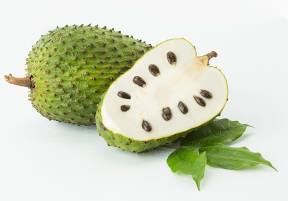
SOURSOP:origin,specie, uses,medicinal properties, economic importance and nutritional values

Hi…..hustlers all over the world please read my humble submission

Soursop: Origin, Nutrients, Uses

Soursop, it’s origin, specie,nutritional value, economic importance, healing properties of the stems, root,bark, fruits and leave. its uses and mode of preparation and preservation. sickness that it cures

Soursop, also known as graviola or Annona muricata, is a tropical fruit that is native to the Americas. It is believed to have originated in the Caribbean, Central America, and northern South America, but it is now cultivated in various tropical regions around the world.

Soursop belongs to the Annonaceae family and is a species of the genus Annona. It is a large, spiny, green fruit with a sweet and tangy flavor. The fruit can grow to be quite large, weighing up to 15 pounds (7 kilograms). Inside the fruit, there are white, fibrous segments with black seeds.

In terms of nutritional value, soursop is rich in vitamins and minerals. It is a good source of vitamin C, vitamin B6, and folate. It also contains significant amounts of fiber and several minerals like potassium and magnesium.

Economic Importance: Soursop has economic importance in several ways. The fruit is consumed fresh and used in the production of various food products such as juices, ice creams, smoothies, and candies. It is also used to make teas and herbal remedies. In some regions, soursop is used in traditional medicine and has a growing demand in the global market for its potential health benefits.

Healing Properties: Various parts of the soursop plant, including the stems, roots, bark, fruits, and leaves, have been used in traditional medicine for their potential healing properties. However, it’s important to note that scientific research on the medicinal properties of soursop is limited, and many of its health claims are based on traditional knowledge rather than scientific evidence.

The stems, roots, and bark of the soursop plant are often used in traditional medicine for their alleged antimicrobial, antiviral, and anti-inflammatory properties. The fruit and leaves are commonly used for their potential anticancer properties, although more research is needed to understand the mechanisms and efficacy of these claims.

Uses and Mode of Preparation: Soursop fruit can be consumed fresh by cutting it open and scooping out the flesh. It is often used to make juices, smoothies, ice creams, and other desserts. The fruit can also be used as an ingredient in savory dishes and sauces.

Soursop leaves are commonly used to make herbal teas. To prepare the tea, the leaves are typically dried, crushed, and steeped in hot water for a few minutes. The resulting infusion is then consumed.

Preservation: Soursop fruit can be refrigerated to extend its shelf life. It can also be frozen for longer-term storage. Additionally, the fruit can be processed into juices, purees, or concentrates, which can be preserved using methods like pasteurization or canning.

Sicknesses it is claimed to cure: In traditional medicine, soursop has been used for various purposes, including the treatment of fever, parasitic infections, gastrointestinal issues, and skin conditions. Some people claim that soursop can be beneficial in treating cancer, although scientific evidence supporting this claim is currently limited, and it should not be used as a substitute for conventional cancer treatments.

It is important to consult with a healthcare professional before using soursop or any other herbal remedy for medicinal purposes, especially if you have any existing health conditions or are taking medications, as it may interact with certain drugs or have adverse effects.

Soursop

Do you ever find yourself feeling like something needs to change in your life, but you’re not quite sure where to start or how to make it happen? That’s exactly where I found myself not too long ago.

I knew that I wasn’t happy with the way things were, and I knew that something needed to change. But I was stuck, unsure of what steps to take or which direction to go in. It felt overwhelming, like I was staring down an insurmountable mountain with no clear path to the top.
But here’s the thing – change is possible. No matter how stuck or lost you may feel, there are always steps you can take to move forward and create the life that you want. It may not be easy, and it may require some hard work and sacrifice, but it is possible.CLICK HERE TO GET STARTED 👉👉👉PLEASE CLICK HERE TO GET STARTED

(FIBROIDS):YOU ARE NOT EXEMPTED ,WHAT EVERYWOMAN SHOULD KNOW ABOUT IT

Hi…..hustlers all over the world please read my humble submission

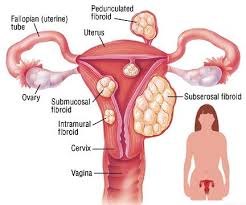
FIBROIDS
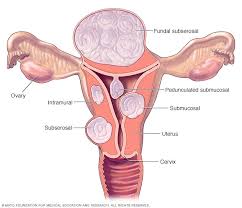
FIBROIDS
FIBROIDS

Fibroids: Causes, Symptoms, Treatment

Fibroid, causes of fibroids, symptoms, the effect in human history, what triggers it,food, herbs and medicine that can cause and or cure it,prevention and treatment.

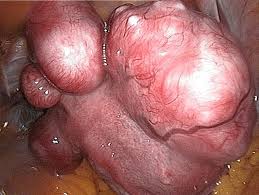
Fibroids, also known as uterine leiomyomas, are noncancerous growths that develop in the uterus. They are the most common type of benign tumor in women of reproductive age. Here’s some information about fibroids, including their causes, symptoms, effects in human history, triggers, and available treatments:

Causes of Fibroids: The exact cause of fibroids is unknown, but several factors may contribute to their development, including:

  1. Hormonal factors: Estrogen and progesterone, hormones that regulate the menstrual cycle, may promote the growth of fibroids.
  2. Genetic factors: Certain genetic alterations may make some women more prone to developing fibroids.
  3. Other factors: Obesity, a family history of fibroids, and race (African-American women are at higher risk) may also increase the likelihood of developing fibroids.

Symptoms of Fibroids: Some women with fibroids may experience the following symptoms:

  1. Heavy or prolonged menstrual periods
  2. Pelvic pain or pressure
  3. Frequent urination
  4. Difficulty emptying the bladder
  5. Constipation
  6. Backache or leg pain
  7. Pain during sexual intercourse However, some women with fibroids may not experience any symptoms at all.

Effect in Human History: Fibroids have not had a significant direct effect on human history. They are a common health issue affecting women, but they do not have a notable historical impact.

Triggers: Fibroids are believed to be influenced by hormonal imbalances, particularly estrogen and progesterone. Although the exact triggers are not well understood, factors like hormonal fluctuations, genetic predisposition, and lifestyle choices may contribute to their development.

Food, Herbs, and Medicines: There is limited scientific evidence regarding specific foods, herbs, or medicines that directly cause or cure fibroids. However, maintaining a healthy lifestyle can potentially help manage symptoms and promote overall well-being. This includes:

  1. Eating a balanced diet rich in fruits, vegetables, whole grains, and lean proteins.
  2. Exercising regularly and maintaining a healthy weight.
  3. Managing stress levels through relaxation techniques or activities like yoga or meditation.

Prevention and Treatment: Prevention of fibroids is challenging since the exact cause is unknown. However, you can take certain steps to potentially reduce the risk or manage symptoms:

  1. Regularly visit your healthcare provider for check-ups and discuss any concerns.
  2. Maintain a healthy weight and exercise regularly.
  3. Consider hormonal contraceptives, as they may help regulate menstrual cycles and reduce the risk of fibroids.
  4. If you experience symptoms, consult your doctor for appropriate treatment options, which may include medication, hormonal therapies, or surgical procedures such as myomectomy (removal of fibroids) or hysterectomy (removal of the uterus).

It’s important to consult with a healthcare professional for accurate diagnosis, personalized advice, and appropriate treatment options for fibroids.

Fibroid Exam & Analysis

Medical examinations, x-ray and analysis for a fibroid patient

If you are a fibroid patient undergoing medical examinations, X-rays, and analysis, the typical process may involve the following steps:

  1. Medical history and physical examination: Your doctor will review your medical history, including any symptoms you’re experiencing, and conduct a physical examination to assess the size and location of the fibroids.
  2. Ultrasound: An ultrasound scan is commonly used to diagnose fibroids. It uses high-frequency sound waves to create images of the uterus and detect the presence, size, and location of fibroids. This non-invasive procedure helps in determining the number and characteristics of the fibroids.
  3. MRI (Magnetic Resonance Imaging): In some cases, an MRI scan may be recommended to obtain more detailed information about the fibroids. MRI provides clearer images of the uterus and fibroids, helping doctors to assess their size, location, and blood supply.
  4. X-ray: X-rays are not typically used for diagnosing fibroids since they do not provide detailed images of soft tissues. However, if other complications, such as bone-related issues or bowel obstruction, are suspected, X-rays may be ordered to assess those areas.
  5. Blood tests: Blood tests may be performed to evaluate your overall health, check hormone levels, and rule out other conditions that may cause similar symptoms.
  6. Endometrial biopsy: In some cases, if abnormal bleeding is present or if there are concerns about cancerous changes, your doctor may recommend an endometrial biopsy. This procedure involves taking a small sample of the uterine lining (endometrium) to examine it under a microscope.
  7. Hysteroscopy: If the fibroids are suspected to be located within the uterine cavity, a hysteroscopy may be performed. This procedure involves inserting a thin, lighted tube (hysteroscope) through the vagina and cervix to visualize the inside of the uterus. It can help in assessing the size, location, and characteristics of the fibroids.

Based on the results of these examinations and analyses, your doctor will develop a treatment plan tailored to your specific needs. Treatment options for fibroids may include medication, non-invasive procedures like uterine artery embolization, or surgical interventions like myomectomy (removal of fibroids) or hysterectomy (removal of the uterus). The choice of treatment depends on factors such as the size, location, and symptoms associated with the fibroids, as well as your personal preferences and future fertility goals.

Do you ever find yourself feeling like something needs to change in your life, but you’re not quite sure where to start or how to make it happen? That’s exactly where I found myself not too long ago.

I knew that I wasn’t happy with the way things were, and I knew that something needed to change. But I was stuck, unsure of what steps to take or which direction to go in. It felt overwhelming, like I was staring down an insurmountable mountain with no clear path to the top.
But here’s the thing – change is possible. No matter how stuck or lost you may feel, there are always steps you can take to move forward and create the life that you want. It may not be easy, and it may require some hard work and sacrifice, but it is possible.CLICK HERE TO GET STARTED 👉👉👉PLEASE CLICK HERE TO GET STARTED

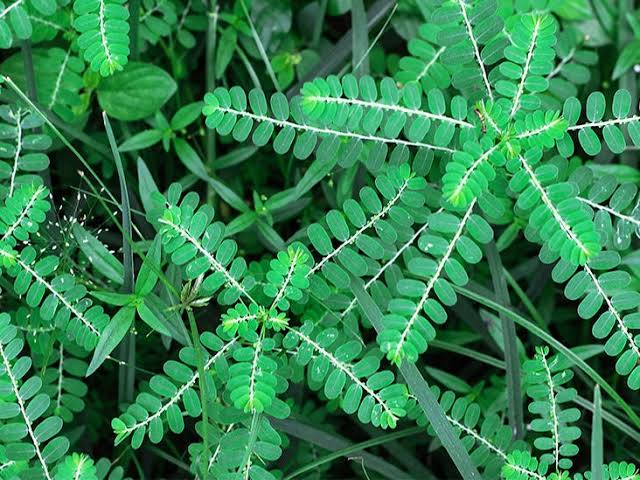
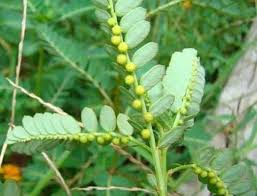
STONEBREAKER, a cure for weak erection, kidney stones,liver disease and many more…

STONEBREAKER
STONEBREAKER

Hi ….hustlers all over the world please read my humble submission

Stonebreaker: Uses, Preparations, Side Effects

stonebreaker,herbal uses,the applications in medicine, the economic importance, mode of preparation and applications,nutritional values , side effect

Stonebreaker, also known as Chanca piedra or Phyllanthus niruri, is a tropical plant commonly used in herbal medicine. It has a long history of traditional use in various cultures for its medicinal properties. Here is information on its herbal uses, applications in medicine, economic importance, mode of preparation and applications, nutritional values, and potential side effects:

Herbal Uses:

  1. Kidney Stones: Stonebreaker is primarily known for its ability to help prevent and eliminate kidney stones. It is believed to break down the stones into smaller pieces, making them easier to pass or facilitating their dissolution.
  2. Liver Health: Stonebreaker is thought to promote liver health and support liver detoxification processes.
  3. Digestive Aid: It has been used to stimulate digestion, relieve constipation, and soothe gastrointestinal issues such as stomachaches and acid reflux.
  4. Urinary Tract Infections: Stonebreaker is sometimes used as a natural remedy to treat urinary tract infections.
  5. Anti-inflammatory: It possesses anti-inflammatory properties and may be used to alleviate pain and inflammation.
  6. Weak erection:it has the absolute power to cure weak erection. Uproot it in the morning wash and chew it for seven days or soak in dry gin and take it in small dose every morning and night

Applications in Medicine: Stonebreaker is used in traditional and alternative medicine practices. It is available in various forms, including capsules, teas, tinctures, and extracts. In some cases, it may be used as a complementary therapy alongside conventional medical treatments.

Economic Importance: Stonebreaker has economic importance in herbal medicine and natural health product industries. It is cultivated and harvested for its medicinal properties and is often included in herbal formulations and supplements.

Mode of Preparation and Applications:

  1. Tea: Stonebreaker leaves and stems can be used to prepare an herbal tea. Boil approximately 1-2 teaspoons of dried Stonebreaker in 1 cup of water for 10-15 minutes, strain, and drink.
  2. Tincture: Stonebreaker can be prepared as a tincture by soaking the herb in alcohol or a mixture of alcohol and water for several weeks. The tincture is then strained and consumed in small doses.
  3. Capsules or Tablets: Stonebreaker is also available in the form of capsules or tablets, which can be taken as directed.

Nutritional Values: Stonebreaker is not typically consumed for its nutritional value but rather for its potential medicinal benefits. It contains various phytochemicals, including alkaloids, flavonoids, lignans, and tannins, which contribute to its therapeutic properties.

Side Effects: Stonebreaker is generally considered safe when used in moderation. However, some individuals may experience mild side effects such as stomach upset, diarrhea, or dizziness. It is advisable to consult a healthcare professional before using Stonebreaker, especially if you have any underlying health conditions or are taking medications.

Please note that while Stonebreaker has been used traditionally for certain health conditions, it is important to rely on scientific evidence and consult with a healthcare professional for personalized advice and treatment.

Hi….

Do you ever find yourself feeling like something needs to change in your life, but you’re not quite sure where to start or how to make it happen? That’s exactly where I found myself not too long ago.

I knew that I wasn’t happy with the way things were, and I knew that something needed to change. But I was stuck, unsure of what steps to take or which direction to go in. It felt overwhelming, like I was staring down an insurmountable mountain with no clear path to the top.
But here’s the thing – change is possible. No matter how stuck or lost you may feel, there are always steps you can take to move forward and create the life that you want. It may not be easy, and it may require some hard work and sacrifice, but it is possible.CLICK HERE TO GET STARTED 👉👉👉PLEASE CLICK HERE TO GET STARTED

THE DETAILED ANALYSIS AND BASIC REQUIREMENTS TO START ANY ONLINE BUSINESS.

Hi….hustlers all over the world please read my humble submission

Requirements for Online Business

Title: The Blueprint to Launching a Successful Online Business: A Detailed Analysis and Basic Requirements

Introduction:

In today’s digital age, starting an online business has become an increasingly viable and lucrative option for entrepreneurs. The internet provides a vast marketplace with limitless potential, enabling individuals to reach a global audience and create a profitable venture. However, launching an online business requires careful planning, strategic thinking, and a solid understanding of the fundamental requirements. In this blog post, we will conduct a detailed analysis of the key steps and basic requirements to embark on a successful online business journey.

  1. Define Your Business Idea and Niche:

Before diving into the world of online entrepreneurship, it is essential to define your business idea and identify a profitable niche. Take time to evaluate your interests, skills, and expertise, and determine how you can leverage them in the online marketplace. Conduct thorough market research to identify the needs, preferences, and pain points of your target audience. This will help you refine your business idea and ensure its viability in the competitive online landscape.

  1. Create a Comprehensive Business Plan:

A well-crafted business plan serves as a roadmap for your online business. It outlines your goals, target audience, marketing strategies, revenue streams, and financial projections. Your business plan should also include an analysis of your competitors and a clear differentiation strategy. Additionally, define your brand identity, including your mission, vision, and values, to establish a strong and consistent online presence.

  1. Build a Professional Website:

A professional website is the virtual storefront of your online business. It should be visually appealing, user-friendly, and optimized for search engines. Consider hiring a web designer or utilizing website-building platforms that offer customizable templates. Ensure your website provides relevant and engaging content, showcases your products or services, and includes intuitive navigation. Implement secure payment gateways and SSL certificates to inspire trust and protect customer data.

  1. Develop an Effective Marketing Strategy:

In the vast online marketplace, it is crucial to stand out from the competition. An effective marketing strategy is essential to attract and retain customers. Begin by optimizing your website for search engines (SEO) to improve your visibility in search results. Utilize social media platforms, content marketing, email campaigns, and paid advertising to reach your target audience. Engage with your audience through valuable and shareable content, and consider collaborating with influencers or affiliates to extend your reach.

  1. Establish a Strong Social Media Presence:

Social media platforms offer unparalleled opportunities for online businesses to connect with their target audience. Identify the platforms where your audience is most active and create engaging profiles. Consistently share relevant content, interact with your followers, and encourage user-generated content. Leverage social media advertising to amplify your reach and promote your products or services. Remember to monitor and analyze your social media metrics to optimize your strategy continually.

  1. Ensure a Seamless Customer Experience:

A seamless customer experience is paramount in building customer loyalty and driving repeat business. Provide excellent customer service through prompt responses, personalized interactions, and efficient order fulfillment. Optimize your website for mobile devices to accommodate the increasing number of mobile users. Implement a secure and user-friendly checkout process, and consider offering various payment options to cater to customer preferences.

  1. Monitor Analytics and Adapt:

To maximize the success of your online business, it is crucial to monitor and analyze key metrics regularly. Utilize web analytics tools to track website traffic, conversion rates, and customer behavior. Assess the effectiveness of your marketing campaigns, identify areas for improvement, and make data-driven decisions to optimize your business strategies continually.

Conclusion:

Starting an online business requires meticulous planning, dedication, and adaptability. By following these basic requirements and conducting a detailed analysis of your target market, you can set a solid foundation for success. Remember, entrepreneurship is a continuous learning journey, so stay proactive, adapt to changes, and embrace innovations to thrive in the dynamic online business landscape.

Hi..

Do you ever find yourself feeling like something needs to change in your life, but you’re not quite sure where to start or how to make it happen? That’s exactly where I found myself not too long ago.

I knew that I wasn’t happy with the way things were, and I knew that something needed to change. But I was stuck, unsure of what steps to take or which direction to go in. It felt overwhelming, like I was staring down an insurmountable mountain with no clear path to the top.
But here’s the thing – change is possible. No matter how stuck or lost you may feel, there are always steps you can take to move forward and create the life that you want. It may not be easy, and it may require some hard work and sacrifice, but it is possible.CLICK HERE TO GET STARTED 👉👉👉PLEASE CLICK HERE TO GET STARTED

.

UNLOCKING THE POWER OF DIGITAL PRODUCTS AND SERVICES IN THE MODERN ERA

Hi….hustlers all over the world please read my humble submission

Digital Revolution: Products & Careers

the importance of acquiring digital products and career in this generation

Title: Embracing the Digital Wave: Unlocking the Power of Digital Products and Careers in the Modern Era

Introduction: In today’s fast-paced and interconnected world, the digital landscape has become an integral part of our daily lives. From the way we communicate to the way we work, the digital revolution has transformed every aspect of our existence. As we navigate this digital age, the importance of acquiring digital products and pursuing careers in this field cannot be overstated. In this blog post, we will explore the significance of embracing digital products and delve into the vast opportunities that await in the realm of digital careers.

  1. Digital Products: Enhancing Efficiency and Convenience In the era of smartphones and instant connectivity, digital products have revolutionized the way we interact with information and services. From mobile applications that simplify tasks to online platforms that connect us to a world of possibilities, digital products have become essential tools for enhancing efficiency and convenience. Whether it’s managing finances, accessing educational resources, or staying connected with loved ones, the benefits of digital products are boundless. By acquiring and utilizing these products effectively, we can streamline our lives, save time, and unlock unprecedented levels of productivity.
  2. Expanding Career Horizons in the Digital Age The digital revolution has given rise to an array of new and exciting career opportunities. From software development to digital marketing, data analysis to user experience design, the possibilities in the digital realm are vast and varied. Acquiring digital skills not only opens doors to diverse career paths but also provides a competitive edge in today’s job market. As businesses increasingly rely on digital strategies and technology, professionals equipped with digital expertise are in high demand. Whether you’re a recent graduate or a seasoned professional looking to make a career switch, embracing the digital wave can be a transformative step towards a fulfilling and future-proof career.
  3. Flexibility and Remote Work: Freedom to Choose One of the most significant advantages of digital products and careers is the flexibility they offer. With the advent of remote work and digital nomadism, individuals can now choose where and how they work. Digital products enable seamless collaboration across geographies, while digital careers allow professionals to work remotely or establish their own online businesses. This newfound freedom not only fosters work-life balance but also opens up opportunities for individuals to explore different cultures, travel, and pursue their passions while maintaining a sustainable career.
  4. Embracing Innovation: The Path to Personal and Professional Growth The digital landscape is a hotbed of innovation and continuous learning. Acquiring digital products and engaging in digital careers exposes individuals to ever-evolving technologies, trends, and ideas. This constant exposure to innovation fosters personal and professional growth, as individuals are challenged to adapt, learn new skills, and stay ahead of the curve. By embracing the digital world, we can embark on a journey of lifelong learning and continuously reinvent ourselves to thrive in an ever-changing environment.

Conclusion: As we navigate the complexities of the modern era, the importance of acquiring digital products and pursuing careers in the digital realm cannot be overlooked. From enhancing efficiency and convenience to unlocking diverse career opportunities and embracing flexibility, the advantages are manifold. By embracing the digital wave, we empower ourselves to thrive in a world driven by technology, innovation, and connectivity. So, let us embark on this transformative journey, embracing the power of digital products and careers, and unlock the boundless potential that awaits in the digital age.

Hi….

Do you ever find yourself feeling like something needs to change in your life, but you’re not quite sure where to start or how to make it happen? That’s exactly where I found myself not too long ago.

I knew that I wasn’t happy with the way things were, and I knew that something needed to change. But I was stuck, unsure of what steps to take or which direction to go in. It felt overwhelming, like I was staring down an insurmountable mountain with no clear path to the top.
But here’s the thing – change is possible. No matter how stuck or lost you may feel, there are always steps you can take to move forward and create the life that you want. It may not be easy, and it may require some hard work and sacrifice, but it is possible.CLICK HERE TO GET STARTED 👉👉👉PLEASE CLICK HERE TO GET STARTED

The ultimate guide to affiliate marketing:Turn your passion into profit

Hi….hustlers all over the world please read my humble submission

Low-cost, Lucrative Businesses.

20 LUCRATIVE BUSINESS IN THE WORLD TODAY that one can with $30

While $30 may not be sufficient to start most businesses, there are still some low-cost opportunities that you can consider. Keep in mind that the profitability of these businesses may vary based on various factors such as location, competition, and market demand. Here are 20 potentially lucrative businesses you could explore with a low initial investment:

  1. Freelance writing or content creation
  2. Social media management or marketing services
  3. Graphic design and digital artwork
  4. Handmade crafts or jewelry
  5. Personal tutoring or online courses
  6. Event planning and coordination
  7. Pet sitting or dog walking services
  8. Car washing and detailing
  9. Online reselling (e.g., through platforms like eBay or Etsy)
  10. Virtual assistant services
  11. House cleaning or organizing services
  12. Lawn care and gardening services
  13. Mobile phone repairs
  14. Personal fitness training or coaching
  15. Personalized gift creation and customization
  16. Home baking and catering services
  17. Translation or language tutoring services
  18. Resume writing and career consulting
  19. Dropshipping or e-commerce business
  20. Affiliate marketing or blogging

Remember, while these businesses have the potential to be lucrative, success will depend on factors such as your skills, dedication, market demand, and effective marketing strategies. It’s important to research and plan thoroughly before starting any business to maximize your chances of success.

Title: The Ultimate Guide to Affiliate Marketing: Turn Your Passion into Profits

Introduction: Welcome to our comprehensive guide on affiliate marketing, a powerful strategy that allows you to earn passive income while promoting products or services you genuinely believe in. Whether you’re an aspiring entrepreneur, a blogger, or a social media influencer, this guide will equip you with the knowledge and strategies to succeed in the exciting world of affiliate marketing. So, fasten your seatbelt and get ready to turn your passion into profits!

  1. Understanding Affiliate Marketing: Affiliate marketing is a performance-based marketing model where you promote products or services on behalf of a merchant and earn a commission for every sale or lead generated through your referral. It’s a win-win situation as merchants gain exposure and sales, while you earn a percentage of the revenue without having to handle inventory, shipping, or customer support.
  2. Finding Your Niche: To start your affiliate marketing journey, it’s crucial to identify a niche that aligns with your interests and expertise. Consider areas where you have knowledge, experience, and a genuine passion. This will enable you to create engaging content and build trust with your audience, increasing the likelihood of conversions.
  3. Selecting the Right Affiliate Programs: Once you’ve chosen your niche, it’s time to research and select reputable affiliate programs. Look for programs that offer competitive commissions, high-quality products or services, reliable tracking systems, and excellent support. Popular affiliate networks like Amazon Associates, ShareASale, and Commission Junction are great places to start.
  4. Building a Solid Online Presence: Establishing a strong online presence is essential for successful affiliate marketing. Create a professional website or blog that showcases your expertise and provides valuable content to your audience. Optimize your site for search engines to attract organic traffic. Leverage social media platforms, email marketing, and content marketing strategies to grow your audience and engage with them effectively.
  5. Crafting Compelling Content: Content is king in affiliate marketing. Create high-quality, informative, and engaging content that adds value to your readers’ lives. Write product reviews, comparison articles, tutorials, or “how-to” guides related to your niche. Incorporate relevant affiliate links naturally within your content, ensuring they align with your audience’s needs and preferences.
  6. Building Trust and Authenticity: Building trust with your audience is crucial for successful affiliate marketing. Be transparent about your affiliate partnerships and only promote products or services you genuinely believe in. Provide honest and unbiased reviews, sharing both the pros and cons. Engage with your audience, answer their questions, and address their concerns promptly. Building long-term relationships based on trust will enhance your credibility and increase conversions.
  7. Maximizing Conversion Rates: To boost your conversion rates, optimize your affiliate marketing efforts. Test different strategies such as call-to-action placements, A/B testing, and tracking the performance of various promotional methods. Use persuasive techniques, such as scarcity or limited-time offers, to create a sense of urgency. Leverage the power of visuals through eye-catching banners, images, and videos to captivate your audience.
  8. Tracking and Analyzing Performance: Regularly monitor and analyze the performance of your affiliate marketing campaigns. Utilize analytics tools and affiliate tracking software to track clicks, conversions, and commissions. Identify your best-performing content and promotional channels, and optimize your strategies based on data-driven insights. Continuous monitoring and improvement are vital for long-term success.
  9. Scaling Your Affiliate Business: As you gain experience and see positive results, consider scaling your affiliate business. Explore new niches, diversify your income sources, and collaborate with other influencers or bloggers in complementary niches. Automate repetitive tasks, outsource where necessary, and invest in education and learning to stay updated with the latest trends and strategies.

Conclusion: Affiliate marketing is a dynamic and lucrative business model that has transformed the lives of countless individuals. By following the strategies outlined in this guide, you can leverage your passion, knowledge, and online presence to generate substantial passive income. Remember, success requires dedication, perseverance, and a commitment to delivering value to your audience. So, get started today and embark on your journey towards financial freedom through affiliate marketing!

Hi….

Do you ever find yourself feeling like something needs to change in your life, but you’re not quite sure where to start or how to make it happen? That’s exactly where I found myself not too long ago.

I knew that I wasn’t happy with the way things were, and I knew that something needed to change. But I was stuck, unsure of what steps to take or which direction to go in. It felt overwhelming, like I was staring down an insurmountable mountain with no clear path to the top.
But here’s the thing – change is possible. No matter how stuck or lost you may feel, there are always steps you can take to move forward and create the life that you want. It may not be easy, and it may require some hard work and sacrifice, but it is possible.CLICK HERE TO GET STARTED 👉👉👉PLEASE CLICK HERE TO GET STARTED

20 MOST POWERFUL HERBS IN THE WORLD TODAY

Hi….hustlers all over the world please read my humble submission

Healing Plants and Herbs

the best 20 most powerful healing and nutritional plants and herbs in the world today

There are numerous powerful healing and nutritional plants and herbs that have been used for centuries in traditional medicine and are still recognized for their beneficial properties today. Here are 20 examples of some of the best and most powerful healing and nutritional plants and herbs in the world:

Turmeric (Curcuma longa): Known for its anti-inflammatory and antioxidant properties, turmeric is commonly used to support joint health and alleviate digestive issues.

Ginger (Zingiber officinale): Ginger is well-regarded for its ability to ease nausea and digestive discomfort, reduce inflammation, and support overall immune health.

Aloe Vera (Aloe barbadensis): Aloe vera is a succulent plant with soothing properties often used to promote skin healing, relieve sunburns, and support digestive health.

Echinacea (Echinacea purpurea): Widely used to enhance immune function, echinacea is believed to reduce the severity and duration of colds and other respiratory infections.

Garlic (Allium sativum): Garlic possesses antimicrobial properties and may help lower blood pressure, reduce cholesterol levels, and support heart health.

Peppermint (Mentha x piperita): Peppermint is known for its calming effects on the digestive system, aiding in relieving indigestion, bloating, and irritable bowel syndrome (IBS) symptoms.

Chamomile (Matricaria chamomilla): Chamomile is often used as a calming herb, promoting relaxation and aiding in sleep. It can also help soothe digestive discomfort and relieve skin irritations.

Ashwagandha (Withania somnifera): Ashwagandha is an adaptogenic herb that may help reduce stress, improve cognitive function, and support adrenal health.

Ginseng (Panax ginseng): Ginseng is known for its energizing and revitalizing properties. It may help improve mental clarity, enhance physical endurance, and support the immune system.

Green Tea (Camellia sinensis): Green tea is rich in antioxidants and is associated with numerous health benefits, including boosting metabolism, supporting heart health, and reducing the risk of certain types of cancer.

Holy Basil (Ocimum sanctum): Holy basil, also known as tulsi, has adaptogenic properties and is often used to reduce stress, promote mental clarity, and support respiratory health.

Milk Thistle (Silybum marianum): Milk thistle is commonly used to support liver health, protect against liver damage, and aid in detoxification processes.

Rosemary (Rosmarinus officinalis): Rosemary has antioxidant properties and may enhance memory and concentration, support digestion, and have antimicrobial effects.

St. John’s Wort (Hypericum perforatum): St. John’s Wort is often used to alleviate symptoms of mild to moderate depression, promote a positive mood, and support emotional well-being.

Lavender (Lavandula angustifolia): Lavender is known for its calming effects and is frequently used to reduce anxiety, promote relaxation, and aid in sleep.

Cinnamon (Cinnamomum verum): Cinnamon is rich in antioxidants and has anti-inflammatory properties. It may help regulate blood sugar levels and support heart health.

Hawthorn (Crataegus spp.): Hawthorn berries are commonly used to support cardiovascular health, improve blood circulation, and promote overall heart function.

Ginkgo Biloba (Ginkgo biloba): Ginkgo biloba is often used to enhance cognitive function, improve memory, and support blood flow to the brain.

Nettle (Urtica dioica): Nettle is a nutrient-rich herb that may help alleviate allergies, reduce inflammation, and support urinary tract health.

Saw Palmetto (Serenoa repens): Saw palmetto is primarily used to support prostate health and may help alleviate symptoms of benign prostatic hyperplasia (BPH).

Please note that while these plants and herbs are generally considered safe when used appropriately, it’s always important to consult with a healthcare professional before incorporating them into your diet or treatment regimen, especially if you have any underlying health conditions or are taking medications.

Hi….everyone

Do you ever find yourself feeling like something needs to change in your life, but you’re not quite sure where to start or how to make it happen? That’s exactly where I found myself not too long ago.

I knew that I wasn’t happy with the way things were, and I knew that something needed to change. But I was stuck, unsure of what steps to take or which direction to go in. It felt overwhelming, like I was staring down an insurmountable mountain with no clear path to the top.
But here’s the thing – change is possible. No matter how stuck or lost you may feel, there are always steps you can take to move forward and create the life that you want. It may not be easy, and it may require some hard work and sacrifice, but it is possible.CLICK HERE TO GET STARTED 👉👉👉PLEASE CLICK HERE TO GET STARTED

How to treat and preventive measures to curb…:MOUTH,ARMPIT AND VAGINAL ODOURS

Hi….hustlers all over the world please read my humble submission

Odor Remedies: Hygiene Tips

the best 20 ways cure mouth odour,virgina odur and armpit odour

Maintaining good personal hygiene is crucial for combating mouth odor, vaginal odor, and armpit odor. Here are 20 effective ways to address these concerns:

MOUTH ODOURS CONTROL

Brush and floss regularly: Proper oral hygiene, including brushing your teeth at least twice a day and flossing daily, helps eliminate bacteria and food particles that can cause mouth odor.

Use mouthwash: Rinse your mouth with an antimicrobial mouthwash to kill bacteria and freshen your breath.

Clean your tongue: Bacteria can accumulate on the tongue, leading to bad breath. Use a tongue scraper or brush your tongue gently with your toothbrush to remove the buildup.

Stay hydrated: Drinking an adequate amount of water helps prevent dry mouth, which can contribute to mouth odor.

Avoid tobacco products: Smoking and chewing tobacco can cause persistent bad breath and other oral health issues. Quitting tobacco can improve your overall oral hygiene.

Limit foods with strong odors: Certain foods like garlic, onions, and spicy foods can cause temporary bad breath. Reduce their consumption or brush your teeth afterward.

Chew sugar-free gum: Chewing gum stimulates saliva production, which can help wash away bacteria and freshen your breath.

Use natural remedies: Some natural remedies like chewing on fresh parsley, cloves, or fennel seeds can help mask mouth odor.

VAGINAL ODOURS CONTROL

Practice proper vaginal hygiene: Gently wash the external genital area with mild soap and warm water, but avoid douching or using scented products that can disrupt the natural balance of bacteria.

Wear breathable underwear: Choose cotton underwear that allows air circulation and helps keep the vaginal area dry, preventing the growth of odor-causing bacteria.

Change tampons and pads regularly: Regularly changing tampons and sanitary pads during menstruation prevents the accumulation of odor-causing bacteria.

Avoid tight-fitting clothes: Tight clothing can trap moisture and heat, creating an environment for bacterial growth. Opt for loose-fitting, breathable clothing.

Practice safe sex: Unprotected sexual activity can increase the risk of vaginal infections, which may cause unpleasant odor. Use condoms and maintain good sexual hygiene.

ARMPITS ODOURS CONTROL

Shower daily: Regularly bathing with mild soap or a gentle cleanser helps keep the armpit area clean and reduces bacterial growth.

Shave or trim underarm hair: Underarm hair can trap sweat and bacteria, leading to odor. Removing or trimming the hair can improve hygiene.

Use an antiperspirant or deodorant: Apply an antiperspirant or deodorant to your underarms to reduce sweating and mask any potential odor.

Choose breathable fabrics: Opt for natural fabrics like cotton and linen that allow air circulation and help absorb sweat, reducing underarm odor.

Change clothes frequently: Sweaty or dirty clothes can harbor bacteria and contribute to body odor. Change into fresh clothes regularly.

Use baking soda or vinegar: Applying a paste of baking soda or using vinegar as a natural deodorant can help neutralize armpit odor.

Consult a healthcare professional: If you have persistent or severe odor issues despite practicing good hygiene, it’s advisable to consult a healthcare professional for further evaluation and guidance.

Remember, everyone’s body is unique, and it may take some trial and error to find the best approach for you.

Hi….everyone

Do you ever find yourself feeling like something needs to change in your life, but you’re not quite sure where to start or how to make it happen? That’s exactly where I found myself not too long ago.

I knew that I wasn’t happy with the way things were, and I knew that something needed to change. But I was stuck, unsure of what steps to take or which direction to go in. It felt overwhelming, like I was staring down an insurmountable mountain with no clear path to the top.
But here’s the thing – change is possible. No matter how stuck or lost you may feel, there are always steps you can take to move forward and create the life that you want. It may not be easy, and it may require some hard work and sacrifice, but it is possible.CLICK HERE TO GET STARTED 👉👉👉PLEASE CLICK HERE TO GET STARTED

FORMS OF MEDICAL PRACTICE AND IT’S USES IN THE WORLD TODAY

Hi….hustlers all over the world please read my humble submission

Medical Practices Today

In the world today, there are various forms of medical practice that encompass a wide range of approaches, techniques, and philosophies aimed at promoting health and treating illnesses. These different forms of medical practice can be categorized into conventional medicine, alternative medicine, and complementary medicine. Let’s explore each of these categories in more detail:

Conventional Medicine: Conventional medicine, also known as Western or allopathic medicine, is the dominant form of medical practice in most developed countries. It is based on scientific principles and emphasizes evidence-based diagnosis, treatment, and prevention of diseases. Conventional medicine relies heavily on pharmaceutical drugs, surgery, and advanced medical technologies such as imaging techniques and laboratory tests. It is practiced by medical doctors (MDs) and other healthcare professionals within established healthcare systems.

Alternative Medicine: Alternative medicine refers to medical practices that are not considered part of conventional medicine. These practices often have roots in traditional healing systems, cultural beliefs, or non-Western philosophies. Alternative medicine includes various approaches such as herbal medicine, acupuncture, naturopathy, chiropractic, homeopathy, and traditional Chinese medicine (TCM). While some alternative therapies have a long history and anecdotal evidence of efficacy, many lack rigorous scientific evidence or have limited support from the medical community.

Complementary Medicine: Complementary medicine refers to practices that are used alongside conventional medicine as a complement or adjunct to standard treatments. The term “complementary” implies that these therapies are used together with conventional medicine to enhance overall well-being and address the whole person, rather than as standalone treatments. Complementary medicine may include techniques such as massage therapy, yoga, meditation, dietary supplements, and mind-body interventions. Integrative medicine is a related concept that combines conventional and complementary approaches to provide a more holistic and patient-centered care model.

The uses of these different forms of medical practice can vary depending on cultural, individual, and regional factors. Conventional medicine is typically the primary approach for acute and severe medical conditions, emergency care, and specialized treatments. Alternative medicine is often sought by individuals who prefer natural remedies or have not found relief through conventional treatments. Complementary medicine is frequently used alongside conventional medicine to manage symptoms, improve quality of life, and promote overall wellness.
It’s important to note that the efficacy and safety of different medical practices can vary widely. Conventional medicine undergoes rigorous scientific research, clinical trials, and regulatory oversight to ensure the effectiveness and safety of treatments. In contrast, alternative and complementary practices may have limited scientific evidence or inconsistent results, although some therapies have gained recognition and acceptance in certain areas.
It is always advisable to consult with qualified healthcare professionals, such as medical doctors or practitioners trained in specific alternative or complementary modalities, to make informed decisions about healthcare choices and treatment options.

Hi….everyone

Do you ever find yourself feeling like something needs to change in your life, but you’re not quite sure where to start or how to make it happen? That’s exactly where I found myself not too long ago.

I knew that I wasn’t happy with the way things were, and I knew that something needed to change. But I was stuck, unsure of what steps to take or which direction to go in. It felt overwhelming, like I was staring down an insurmountable mountain with no clear path to the top.
But here’s the thing – change is possible. No matter how stuck or lost you may feel, there are always steps you can take to move forward and create the life that you want. It may not be easy, and it may require some hard work and sacrifice, but it is possible.CLICK HERE TO GET STARTED 👉👉👉PLEASE CLICK HERE TO GET STARTED